
Popular Solutions For Managing Oak Tree Trimmings Effectively
Discover essential products that help you clean up and maintain oak trees with ease, ensuring healthy growth and a tidy yard.
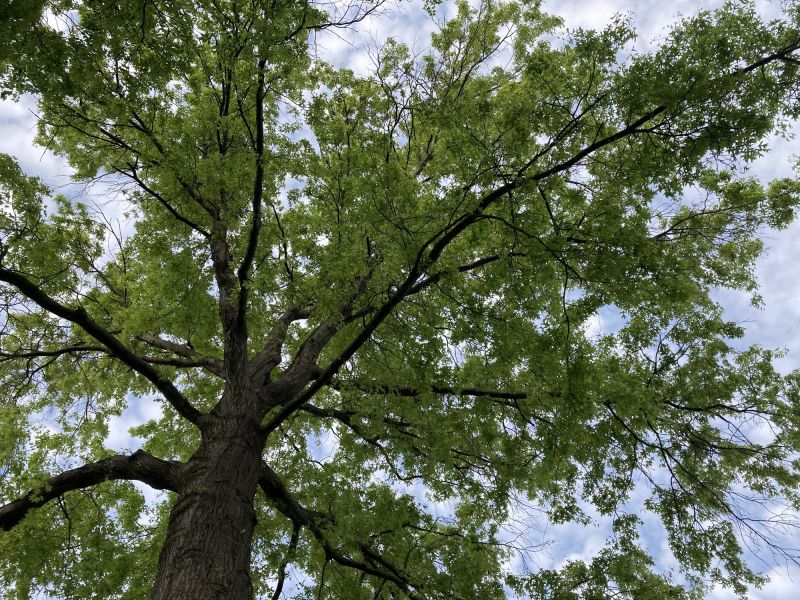 Managing oak tree trimmings effectively is essential for maintaining a healthy landscape and preventing potential hazards. When trimming oak trees, it is important to handle the debris properly to promote tree health and safety. Various tools and products are available to assist in collecting, disposing of, or repurposing oak trimmings, each suited for different needs and preferences. From manual tools to larger equipment, selecting the right products can make the process more efficient and manageable.
Top Overall Option
Heavy-Duty Tree Pruning Shears
A versatile and durable pruning shear designed to handle thick oak branches with ease. Its ergonomic handle reduces fatigue, while sharp blades ensure clean cuts, making it suitable for trimming and managing oak tree trimmings efficiently.
Types of Products For Oak Tree Trimmings
Pruning Shears
Ideal for trimming small to medium branches and detailed pruning work, helping to shape the tree and remove deadwood.
Lopping Shears
Designed for cutting larger branches, these tools provide increased leverage and cutting power for thicker oak limbs.
Pole Pruners
Extend your reach with pole pruners, perfect for trimming high branches without the need for ladders.
Chainsaws
Powerful equipment suitable for cutting large oak branches or trunks, often used in larger cleanup projects.
Manual Leaf and Branch Rakes
Effective for gathering smaller trimmings and debris from the ground after trimming.
Leaf Blowers
Assist in clearing away loose leaves and small branches quickly from your yard.
Wood Chippers
Transform larger branches into mulch or wood chips, useful for recycling oak trimmings.
Mulching Blades
Specialized blades for lawnmowers or attachments that turn trimmings into mulch directly in the yard.
Heavy-Duty Tarps
Help in collecting and transporting trimmings, keeping debris contained during cleanup.
Garden Waste Bags
Durable bags designed for easy collection and disposal of trimmed branches and leaves.
Composting Bins
Ideal for recycling oak trimmings into compost, promoting organic recycling.
Safety Gear (Gloves, Goggles)
Essential protective equipment to ensure safety during trimming and cleanup activities.
Tree Stands and Ladders
Provide safe access to higher branches for trimming or inspection.
Debris Dumping Trailers
For transporting larger quantities of trimmings efficiently from the site.
Tree Root Pruners
Specialized tools for trimming roots or lower branches near the trunk.
Popular Choices
Offer portability and ease of use for trimming oak branches with minimal effort.
Provide reach for high branches, combining power with safety for tall trees.
Efficiently convert large trimmings into mulch, suitable for landscaping needs.
Combine leaf blowing and vacuuming functions to clean up small trimmings quickly.
Protect hands during all stages of trimming and cleanup.
Designed for heavy loads, making disposal straightforward.
Versatile tools for various trimming tasks on oak trees.
Useful for shaping and trimming smaller branches and foliage.
Compact and easy to maneuver for small to medium cleanup projects.
Cover and contain debris during trimming activities.
Allow safe access to higher branches for detailed trimming.
Assist in removing stubborn or thick branches safely.
Facilitate easy transport of trimmings from the yard to disposal points.
Protect clothing and provide additional tool storage during work.
Proper disposal or utilization of oak trimmings can include composting, mulching, or hauling away debris. Using specialized equipment can help break down larger branches into manageable pieces, making disposal easier or creating valuable mulch for garden beds. For those interested in sustainable practices, turning trimmings into mulch or compost can be a beneficial way to recycle organic material. It is also important to consider safety when handling large branches or heavy debris, which may require specific tools designed to reduce physical strain and improve safety.
Whether you are a homeowner maintaining a small yard or a professional landscaper managing multiple trees, having the right products on hand can streamline your workflow. Investing in quality tools and accessories ensures durability and effectiveness, reducing effort and time spent on cleanup. Additionally, selecting products that are compatible with your specific tree size and trimming needs can lead to better results and a more satisfying maintenance experience.
Key Buying Considerations
- Tree size and branch thickness: Choose tools that match the size of branches you typically trim.
- Safety features: Look for tools with safety locks, guards, and ergonomic handles.
- Power source: Decide between manual, electric, or gas-powered tools based on your needs and preferences.
- Ease of use and comfort: Select tools that reduce fatigue and are comfortable to operate for extended periods.
- Durability and materials: Opt for tools made from high-quality materials to withstand regular use.
- Maintenance requirements: Consider how easy it is to clean, sharpen, or replace parts on the tools.
- Storage options: Ensure you have adequate space and appropriate storage solutions for your equipment.
- Budget constraints: Balance quality and features within your budget to get the best value.
- Environmental conditions: Choose corrosion-resistant tools if working in wet or humid environments.
- Compatibility with accessories: Check if the tools can be used with additional attachments or accessories.
- Transportability: Consider weight and portability if you need to move tools frequently or work in different locations.
- Noise levels: Be mindful of noise if working in noise-sensitive areas or residential neighborhoods.
- Additional features: Features like adjustable length, quick-release blades, or multi-functionality can enhance usability.
- Availability of replacement parts and support: Ensure easy access to parts and customer service.
- Environmental impact: While not eco-focused, consider tools that minimize physical strain and improve efficiency.